American ASL sign language online translator can translate English text or message into a gloss sentence structure
to help deaf individuals with free typing and font translation.
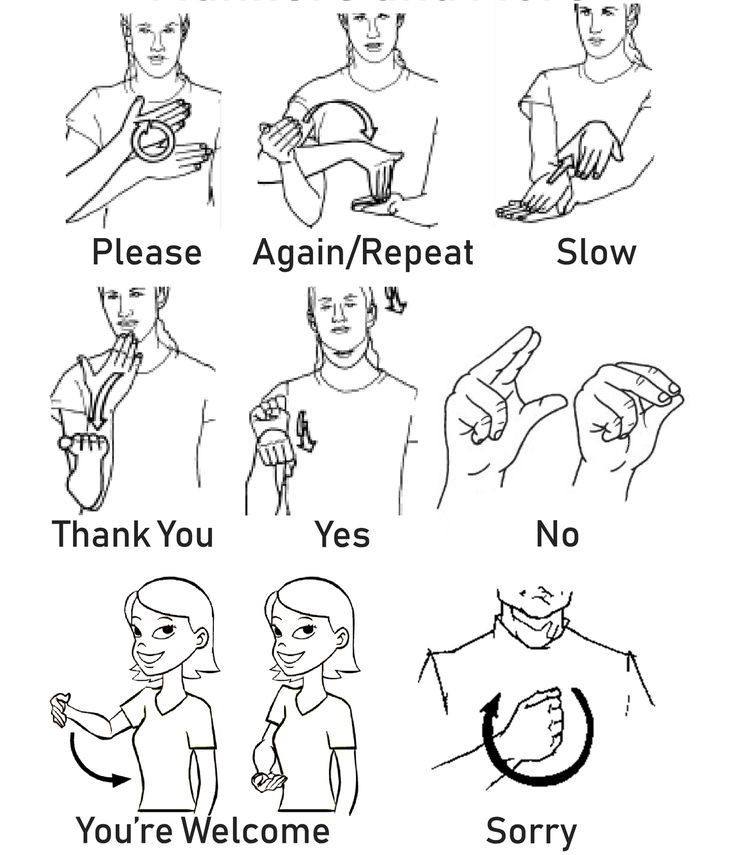
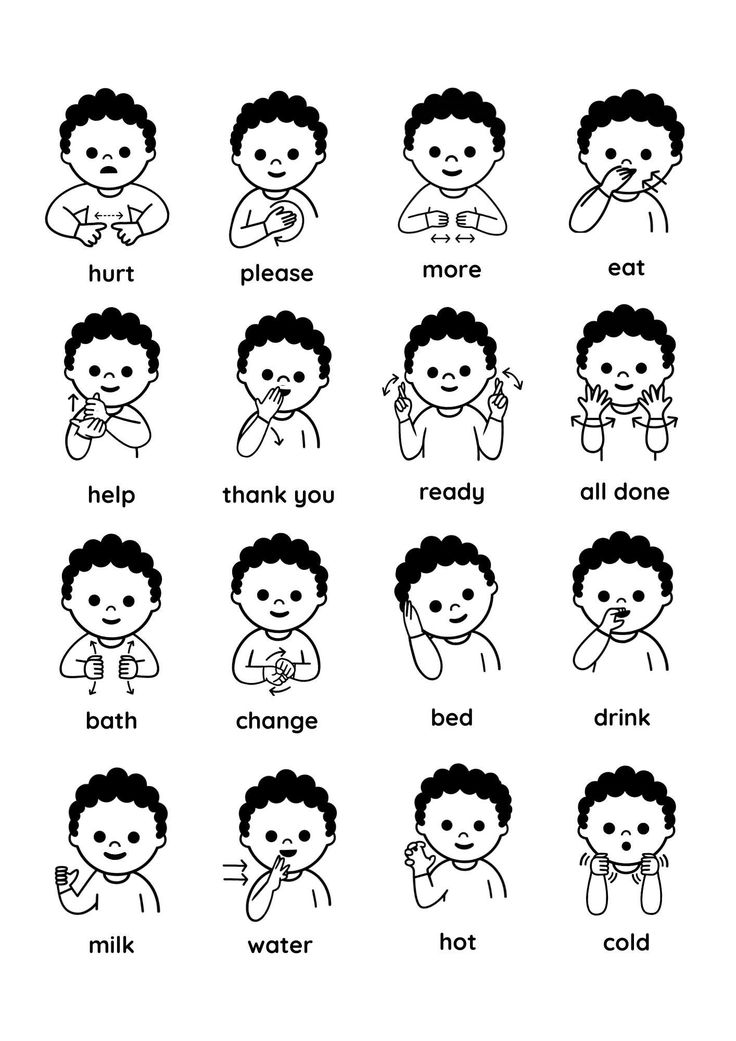
Asl sign language translator Font Generator
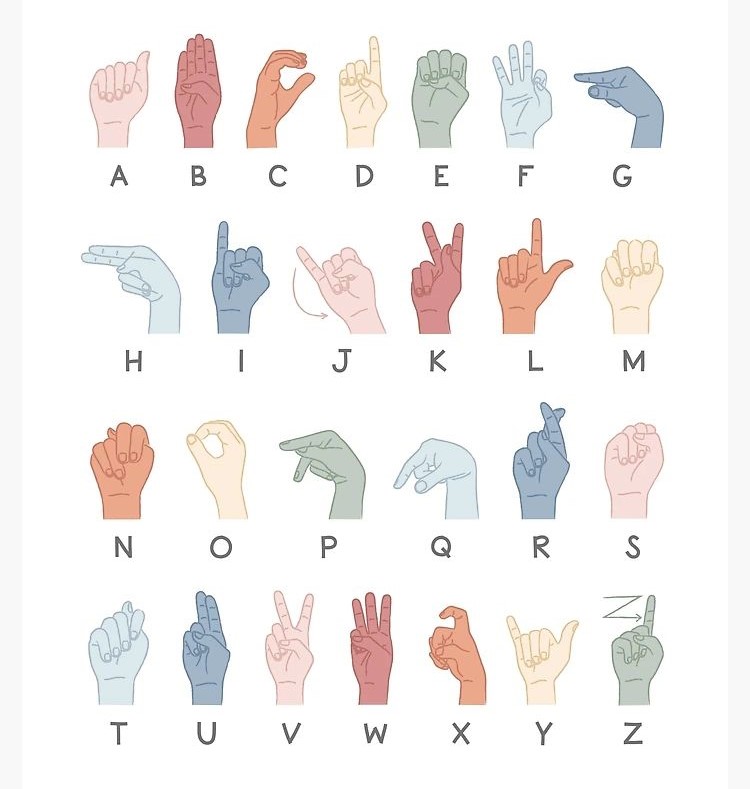
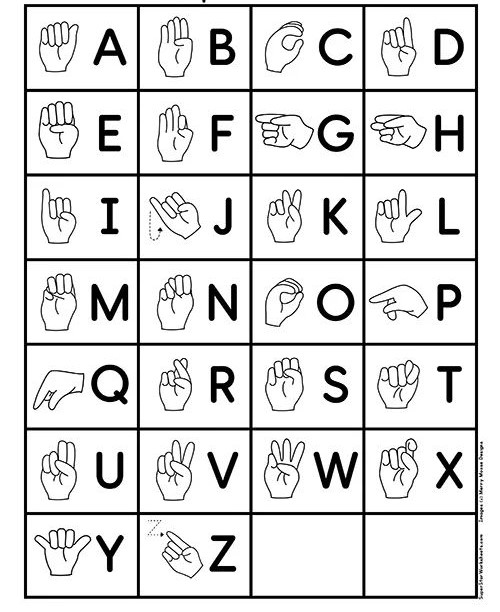
The ASL alphabet, formally known as the American manual alphabet, is a set of 26 signs that visually represent the letters of the English alphabet.
Here is a detailed breakdown of how the alphabet functions within American Sign Language:
Origins and Handshapes Historically, manual alphabets were first formally introduced by Spanish monks who used hand gestures during vows of silence and later to teach deaf individuals. The specific alphabet used in ASL today was heavily borrowed from French Sign Language (LSF). To form the 26 English letters, signers utilize 19 distinct basic ASL handshapes (for example, the letters “g” and “h” use similar handshapes but rely on different finger positioning).
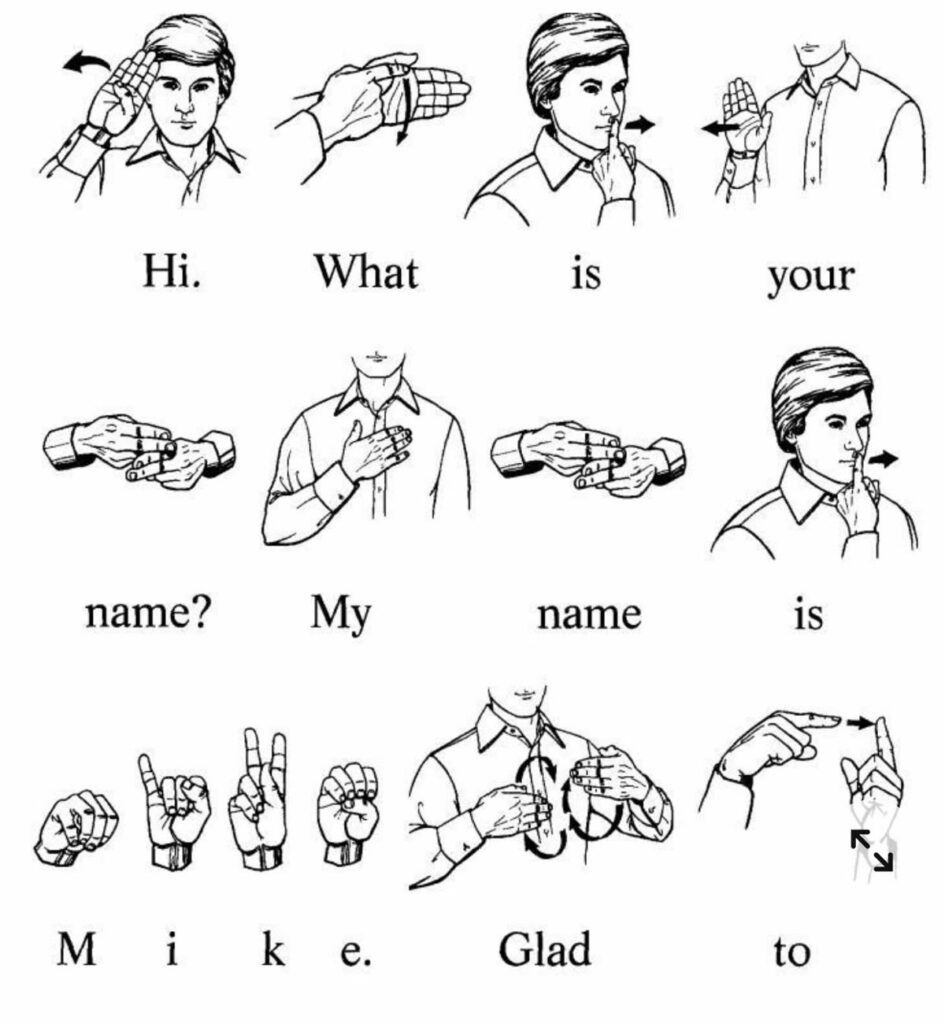
The Role of Fingerspelling Using the manual alphabet to spell out English words is called fingerspelling. However, ASL is a distinct language with its own vocabulary and grammar, so signers do not spell out every word they want to say. Fingerspelling is specifically utilized for:
- Proper nouns: such as people’s names, brand names, or specific cities and states.
- Loan words: English words that have been incorporated into ASL.
- Emphasis: occasionally, a signer might fingerspell a word to place special emphasis on it, even if a standard sign exists.
Additionally, the manual alphabet is used for initialization, which is when the handshape of the first letter of an English word is incorporated into an ASL sign (such as using an “M” handshape for “Monday”).
Lexicalized Fingerspelling In everyday conversation, when short English words are fingerspelled frequently, they often undergo a linguistic process called lexicalization. Instead of the word looking like distinct, individual letters, the handshapes blend together into a single, fluid motion that acts like an independent ASL word. Linguists often denote these words with a hashtag, such as #JOB, #BACK, or #NO.
Best Practices for Beginners If you are learning to fingerspell, the sources provide a few key guidelines:
- Prioritize clarity over speed: Taking your time to form the letters correctly is much more important than trying to sign them quickly.
- Mouth the sounds: As you spell, you should silently mouth the phonetic sounds of the word rather than pronouncing the individual letters (e.g., mouth the “F” sound when spelling “P-H-I-L-L-I-P”).
- Pause between words: If spelling multiple words in a row, like a title or a full name, leave a short pause between each word.
A Common Misconception Many people mistakenly believe that ASL consists entirely of spelling out English words letter-by-letter. While there is a specific, historical communication style called the Rochester Method where signers fingerspell absolutely everything, this is not standard ASL. The Rochester Method is exceptionally tedious and even highly skilled interpreters can easily get lost trying to follow it.
jwimigunueoirorvjexnksmxywvnth