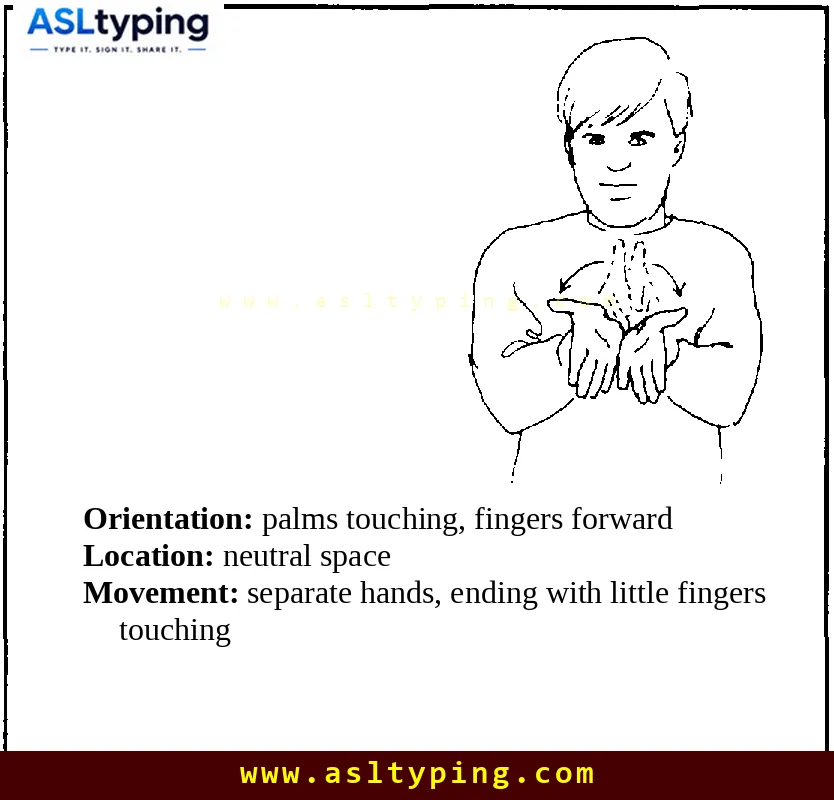
1. Book
A familiar object that is useful for school and reading vocabulary.

If you are new to American Sign Language, a short list of familiar words can make practice feel much more manageable. This lesson introduces exactly 20 easy ASL signs with pictures, plain-language learning notes, and practical ideas for remembering them.
See the 20 SignsExplore the Picture DictionaryBeginning a new language with hundreds of unrelated words can be frustrating. A smaller vocabulary gives you room to notice what your hands are doing and to connect a sign with a meaning you already understand. Words such as book, dog, home, family, happy and learn are familiar ideas, so you can spend less energy decoding the English meaning and more energy observing the sign.
That does not mean ASL is simply English performed with the hands. American Sign Language is a visual language with its own grammar and ways of organizing information. The English labels on this page are vocabulary labels that help you navigate the lesson. As you progress, pay attention to how signs are actually produced and how they work in signed sentences rather than assuming that an English sentence can be translated word for word.
A good beginner routine is to learn a few signs, cover the labels, recall the meanings from the pictures, and then return to the signs later. Short repeated practice is usually more useful than trying to memorize all twenty in one sitting. You can also group the vocabulary by meaning: people and relationships, school and learning, objects and places, feelings, and simple everyday ideas.
Use each picture as a visual prompt. Look at the word, study the image, say the meaning to yourself, then try to recall it without looking. For signs whose movement is important, use the picture as a starting reference and continue with visual instruction.
A familiar object that is useful for school and reading vocabulary.
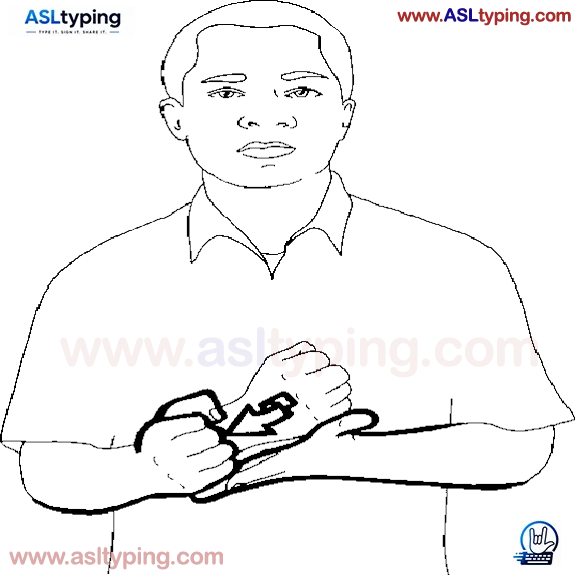
An easy everyday noun for animal vocabulary.
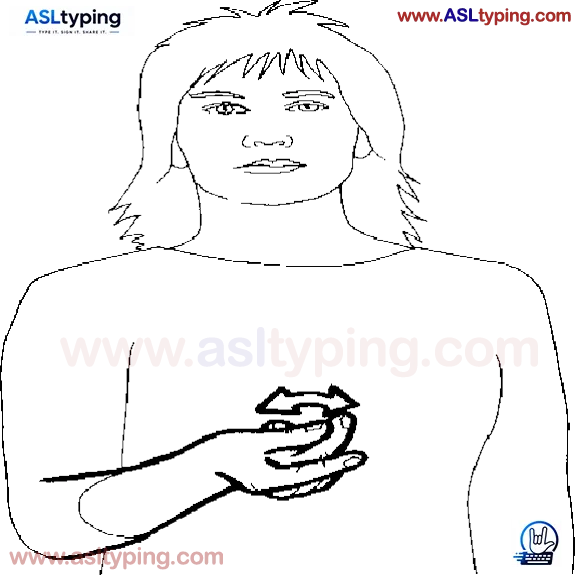
A common animal word that is easy to connect with daily life.
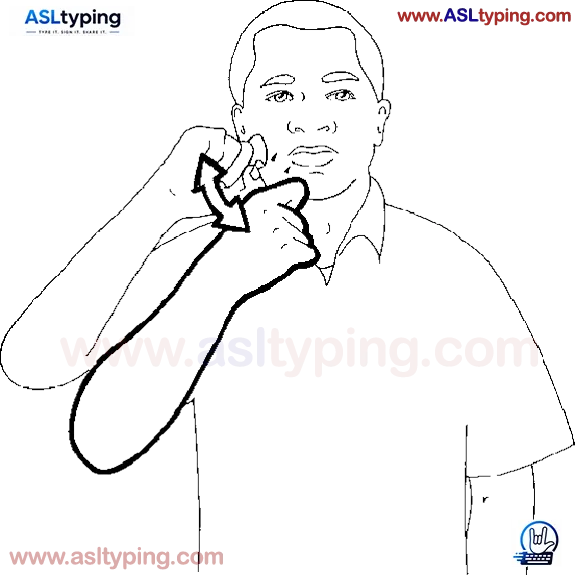
A concrete food word that works well for visual recall.
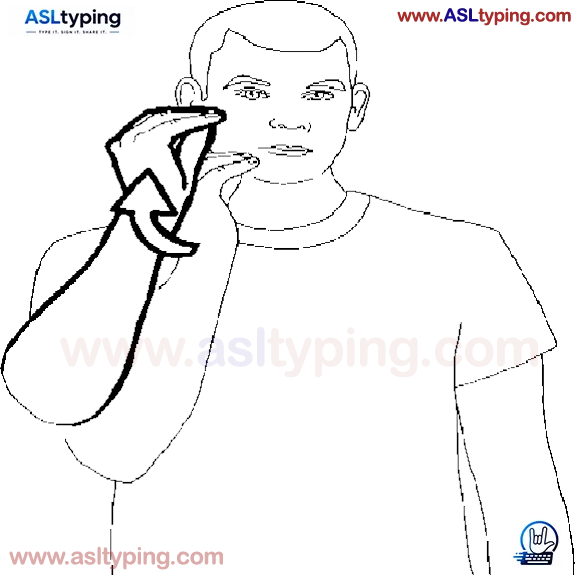
A useful place word for talking about daily routines.

A practical location word for students and families.
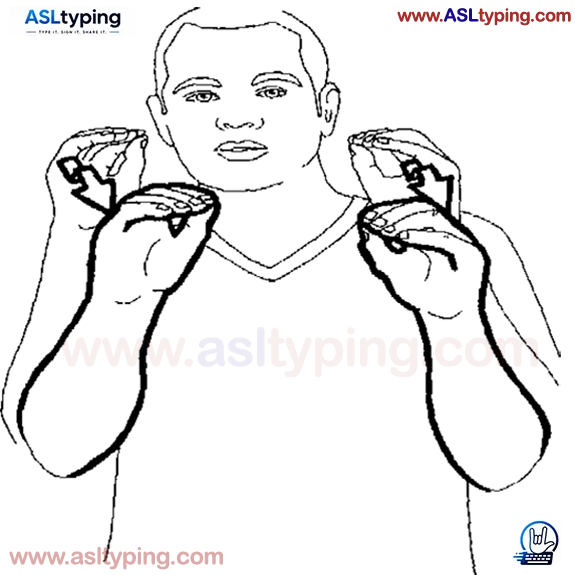
A useful people word for classroom conversations.
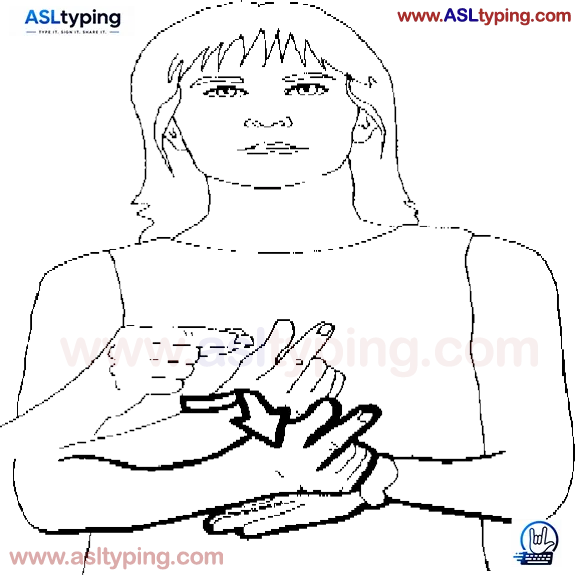
Pair this with TEACHER to build a meaningful vocabulary set.
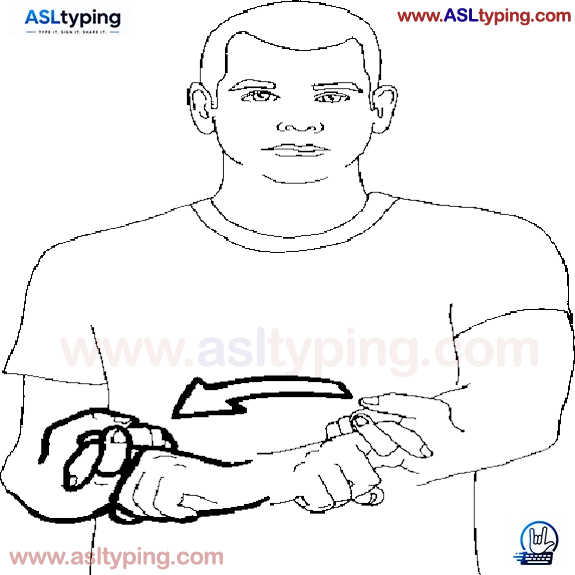
A relationship word you can connect with real people you know.
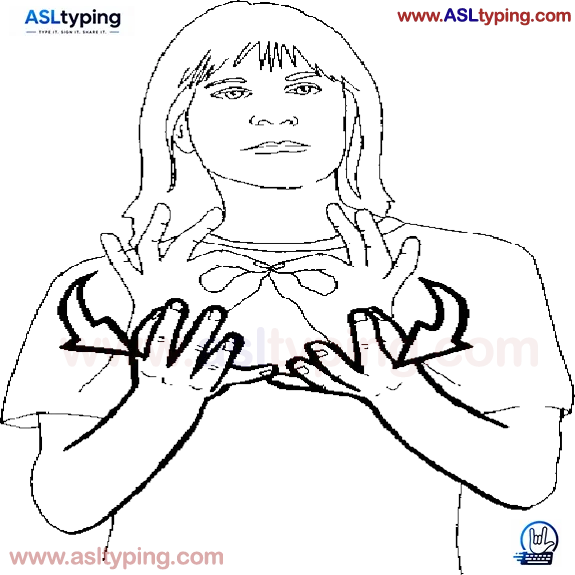
A high-value word for introductions and personal conversations.
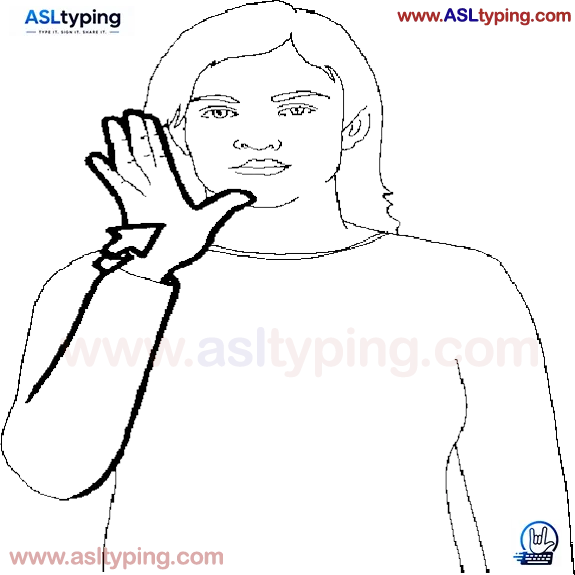
A family word that can be practiced with other relationship signs.
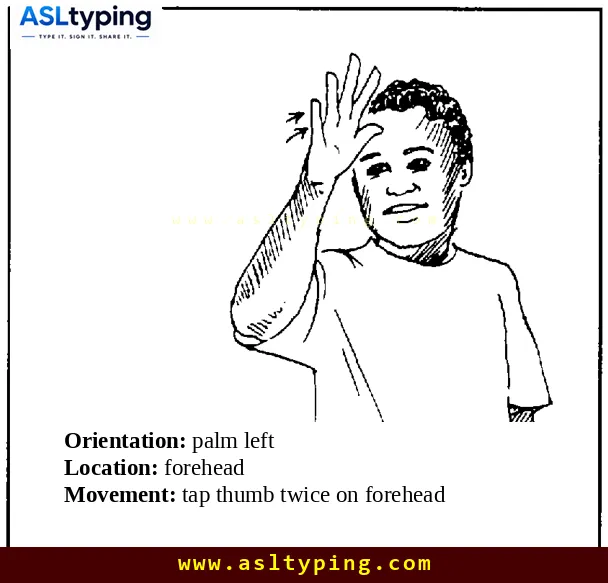
Practice it alongside MOTHER and FAMILY as a small vocabulary group.
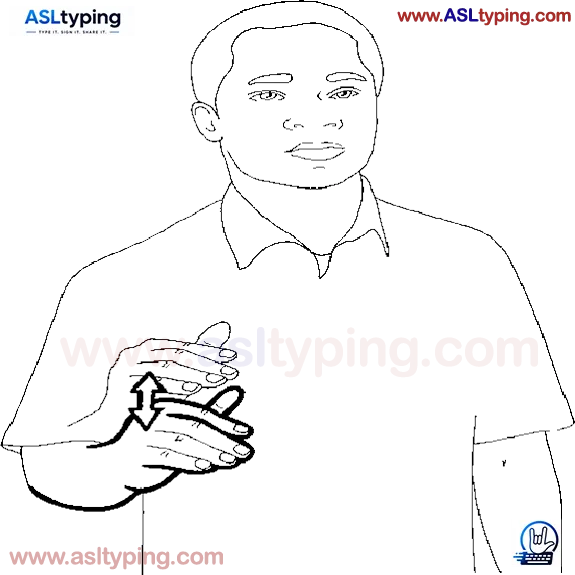
A useful people word for family and community contexts.
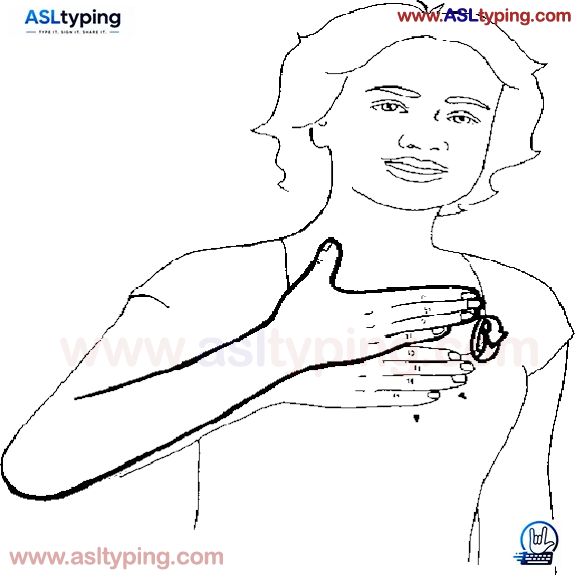
A feeling word; remember that facial expression matters in visual communication.
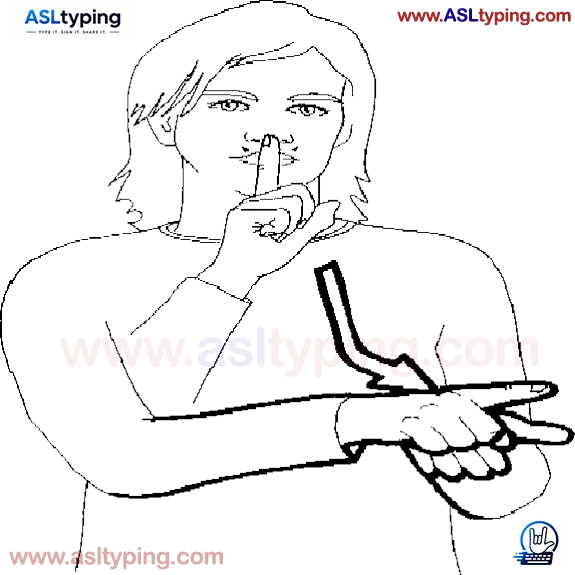
A familiar emotion and relationship concept for early practice.
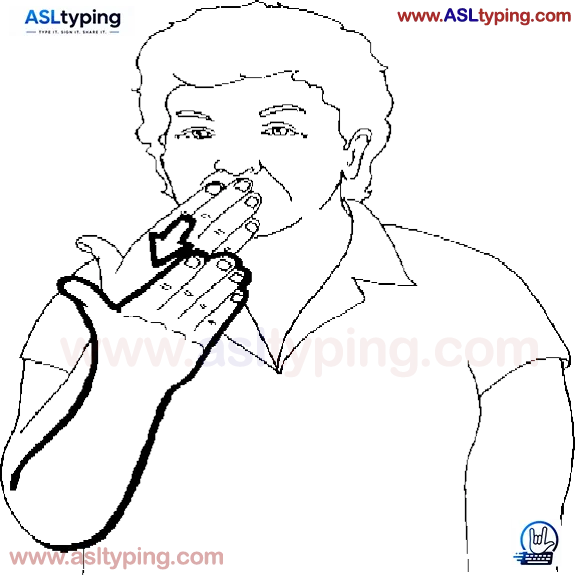
A versatile everyday concept that learners encounter frequently.
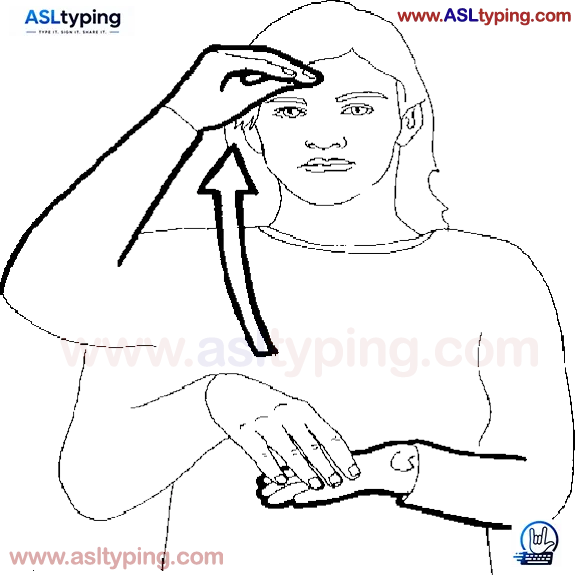
A perfect sign to connect with your own ASL study routine.
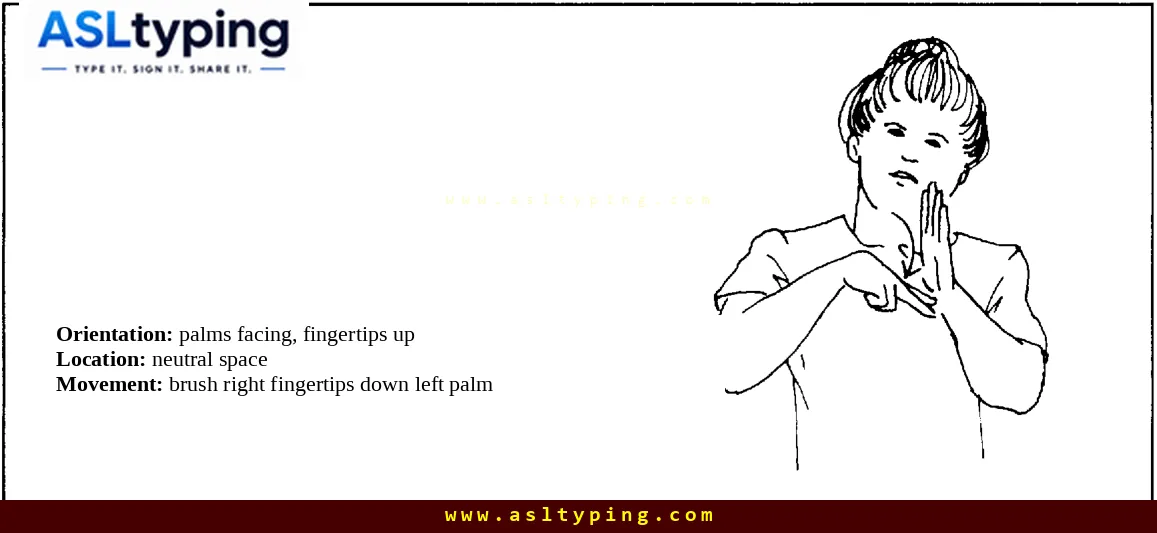
Pair READ with BOOK and SCHOOL to create a memorable learning set.

A familiar action and expression word that is easy to visualize.
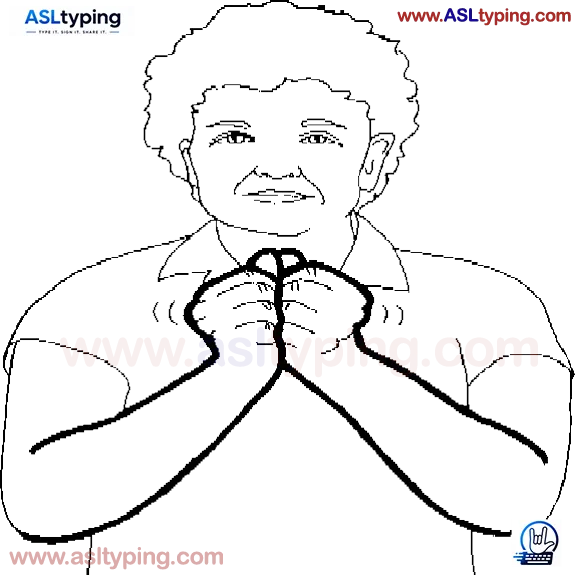
A useful social concept that helps move beyond isolated object words.
Start with only four or five cards. Notice the handshape, where the hands appear, and any visual clue you can get from the picture. Do not rush through all twenty.
Hide the word label and ask yourself what the picture represents. Retrieval practice turns passive viewing into active learning.
When possible, compare the still image with a reliable moving demonstration or instruction from a skilled signer. Motion cannot always be reconstructed from one frame.
Try making small groups rather than one long list. BOOK, READ, SCHOOL, TEACHER, STUDENT and LEARN form a natural learning group. MOTHER, FATHER, CHILD, FAMILY and FRIEND form a people-and-relationships group. CAT, DOG and APPLE are concrete nouns that are easy to picture. HAPPY, LOVE, GOOD, SMILE and TOGETHER introduce feelings and social ideas.
This grouping technique matters because memory is often stronger when a new item has a connection. Instead of remembering “sign number 12,” you remember “FATHER belongs with my family vocabulary.” You can make the connection even more personal by thinking of a real person, place or object while you practice.
It is tempting to see a picture, copy the handshape and assume the sign is finished. In practice, a sign may also depend on movement, palm orientation, location and non-manual information. Facial expression and body movement can be linguistically meaningful, especially as you move from isolated vocabulary into questions, descriptions and full ASL grammar.
For that reason, use these cards as flashcard-like prompts. They are excellent for recognition, review and building a mental vocabulary list. They should not be treated as a substitute for seeing ASL in motion. If a sign feels unclear from the picture alone, that is not a failure on your part; it simply means the visual prompt is not showing every part of the sign.
You may also encounter variation. Different signers, communities, regions or contexts can use variants. Our ASL Picture Dictionary may show more than one entry when variants are available. Treat variation as something to explore rather than assuming that every concept must have one single frozen form.
On your first day, choose five words. For example: BOOK, SCHOOL, TEACHER, STUDENT and LEARN. Study them for a few minutes, then leave the page. Later, return and see how many meanings you can recall before reading the labels. On the next practice session, add five more while reviewing the first group.
After recognition becomes easier, reverse the task. Read the English word first and try to remember the sign before revealing the picture. This is harder, and that is useful. Recognition asks, “Have I seen this?” Recall asks, “Can I retrieve it myself?” Both skills matter.
Next, mix categories. Put FAMILY beside SCHOOL, or DOG beside HAPPY. When the order is unpredictable, you rely less on memorizing the sequence of the page. Finally, use the words as prompts for broader ASL practice. If you know FRIEND, think about how you would identify or refer to a friend in signing space. If you know SCHOOL, connect it with signs you already know for people, activities or time.
Keep your sessions short enough that you still want to return. Ten focused minutes today, followed by another review tomorrow, can be more productive than a long session that leaves you tired and unlikely to practice again.
Do not translate every English word literally. Learning vocabulary and learning grammar are related but different tasks. An English sentence is not automatically ASL just because each English word has been replaced with a sign.
Do not ignore your face and body. ASL is visual. As your skills grow, non-manual signals become increasingly important. Vocabulary cards naturally focus attention on individual signs, so deliberately remind yourself that real communication uses more than the hands.
Do not chase speed too early. Clear, controlled practice is more valuable than moving quickly with uncertain forms. Build recognition and accuracy first. Speed can develop through repetition.
Do not treat a still picture as a complete video lesson. A picture can show an important moment in a sign, but not necessarily its full movement. Use the dictionary and other visual learning resources when you need more context.
Do not stop at isolated words. These twenty signs are a starting point. Move gradually toward phrases, questions, topic-comment structures, fingerspelling and real interaction.
Once these signs feel familiar, do not simply collect another random list. Build outward in a deliberate order. Everyday vocabulary gives you more practical words, picture-based vocabulary strengthens recognition, and greetings help you move toward social communication.
Vocabulary becomes easier to remember when you actively retrieve it. After studying this page, try one of the ASL practice games and see how your recall feels when the order changes.
Familiar concepts such as book, dog, home, school, family, friend, happy and learn can make convenient early vocabulary because the meanings are already easy to recognize. Ease is individual, however, and producing a sign correctly can require movement, orientation, location and other visual information.
Pictures are useful for vocabulary recognition and review, but they cannot always show movement or all non-manual information. Use them as visual prompts and combine them with moving demonstrations and instruction.
No. ASL is a language with its own grammar. English labels can help beginners organize vocabulary, but replacing each English word with a sign is not a reliable method for producing ASL sentences.
There is no single correct number. This page uses twenty for a manageable lesson, but you can practice four or five at a time and review them before adding more.
Sign variation can occur across signers, communities, regions and contexts. A dictionary may therefore contain multiple entries or variants for an English label.
Review these signs until they feel familiar, then continue with everyday vocabulary, greetings, grammar, fingerspelling and real visual ASL practice.
Continue to Everyday ASL Signs →