01
Home
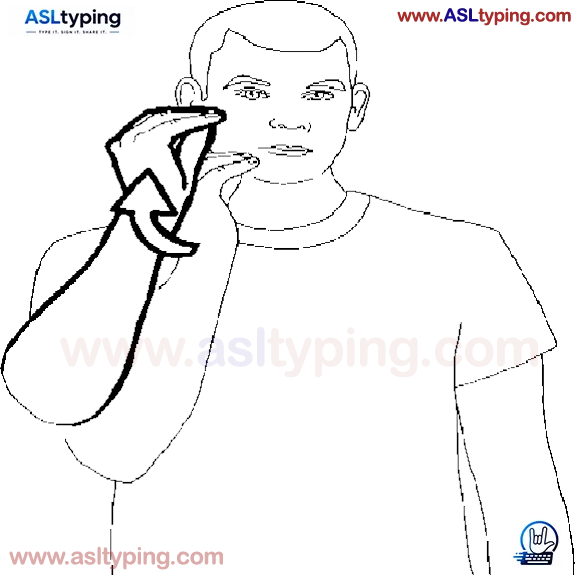
A useful everyday sign for talking about where you live, where you are going, or where someone is staying.

Learning ASL becomes easier when the words connect to things you actually do: waking up at home, eating breakfast, meeting a friend, asking for help, or talking about family. This page focuses on just 20 useful signs so you can slow down, understand the vocabulary, and practice it in real-life situations instead of trying to memorize a huge list at once.
A beginner can collect hundreds of vocabulary words and still feel unsure when a real conversation begins. A more useful approach is to start with a small group of words that repeatedly appear in daily life. Words such as HOME, TODAY, WATER, FAMILY, FRIEND, HELP, and QUESTION give you concepts that are easy to connect with routines and real people. That connection matters because memory is stronger when a new sign has a purpose.
This list is intentionally different from a giant dictionary. A dictionary is excellent when you already know the word you want to look up. A learning page should do something else: help you notice relationships between words, create small practice situations, and understand what a still picture can and cannot teach. That is why the 20 signs below are grouped around ordinary life rather than alphabetically.
ASL is a visual language, not English placed on the hands. A picture can help you recognize a handshape or remember the general appearance of a sign, but fluent signing also involves movement, palm orientation, location, facial expression, body movement, signing space, and grammar. Some signs can also have variants. Treat each picture here as a visual study prompt, then confirm movement and usage through skilled visual instruction and interaction with ASL users.
Occasional CuteASL styling is used as a playful fingerspelling-style visual element, not as a replacement for the actual sign images or ASL grammar.
Look at each image, read why the word is useful, and then cover the card text and try to remember the concept. The images below are loaded from the ASLTyping dictionary image library.
A useful everyday sign for talking about where you live, where you are going, or where someone is staying.
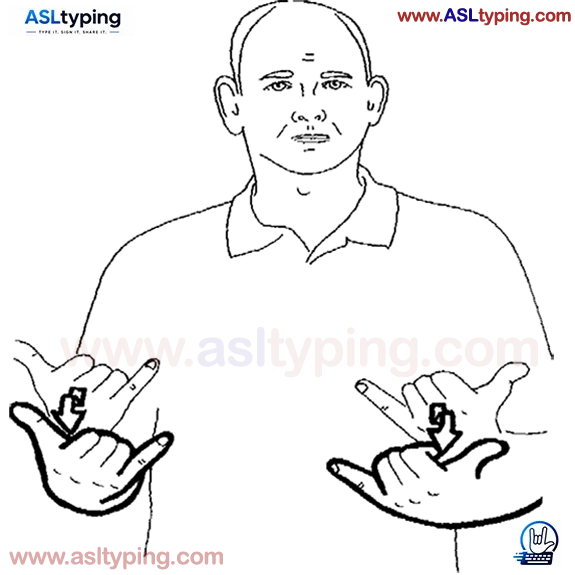
Use this when setting the time frame for plans, school, work, appointments, or daily conversation.
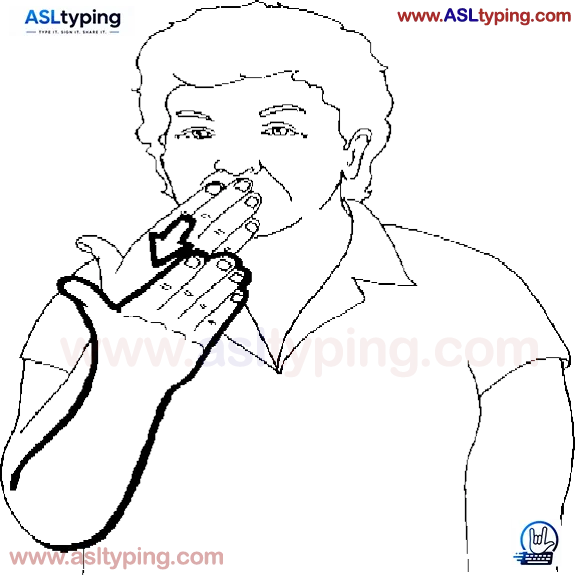
A flexible positive word that appears naturally in greetings, reactions, descriptions, and short responses.
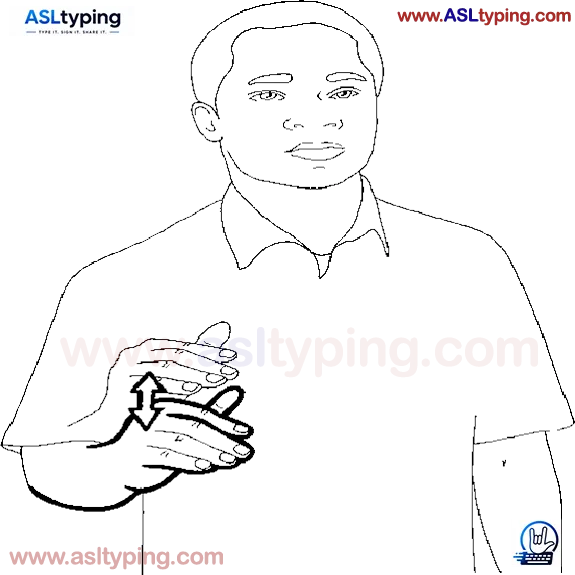
Useful when talking about family, school, parenting, community activities, or people around you.
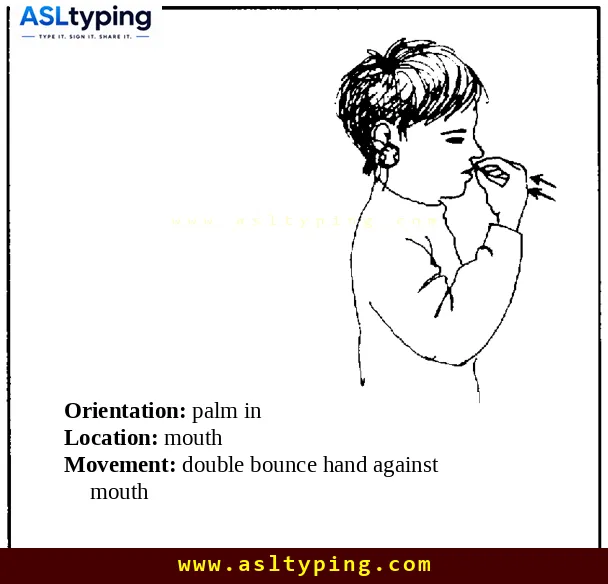
A high-value daily action word. The dictionary filename notes a sign variant connected with EAT/FOOD.
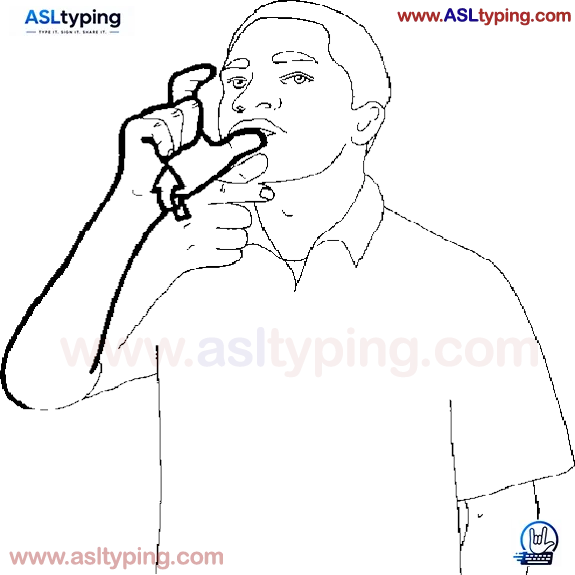
Useful for meals, requests, routines, restaurants, and talking about what someone wants.
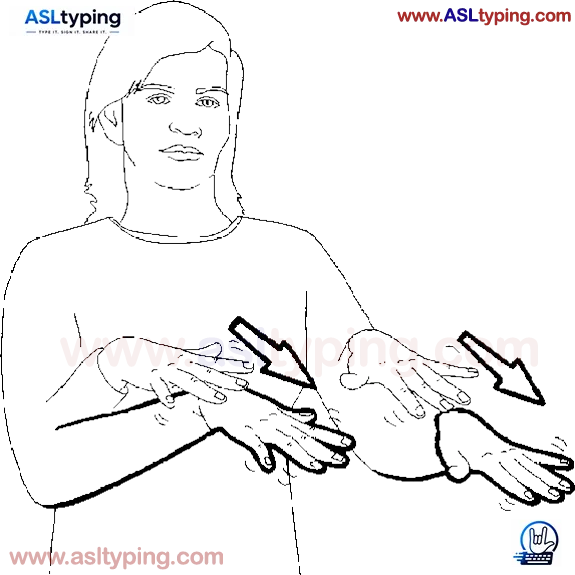
One of the most practical drink-related vocabulary items for everyday requests and conversation.
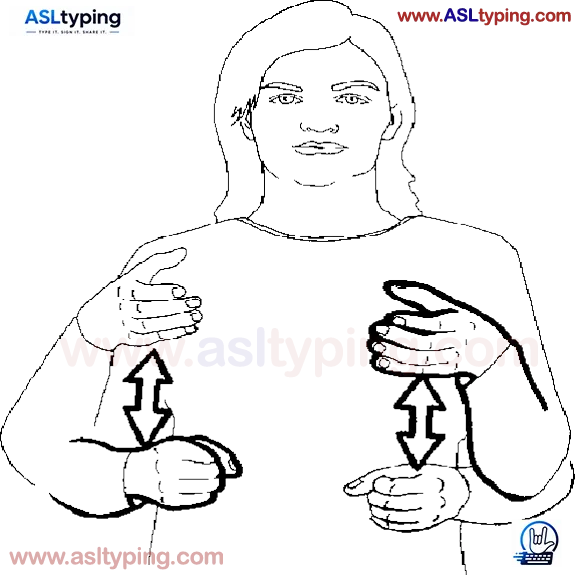
A familiar food-and-drink word that works well in beginner household and meal vocabulary.
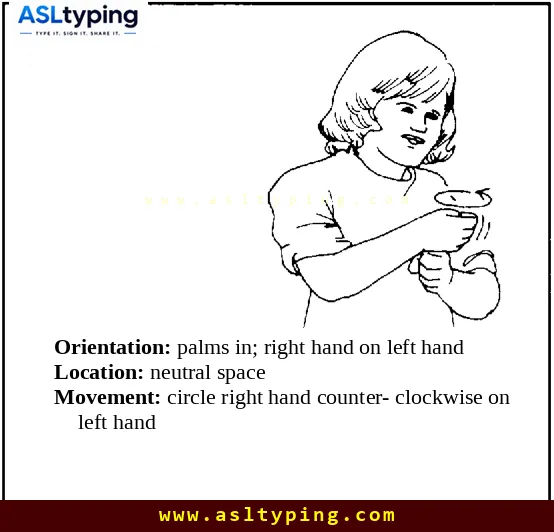
A common social and routine word for mornings, cafés, breaks, work, and meeting friends.
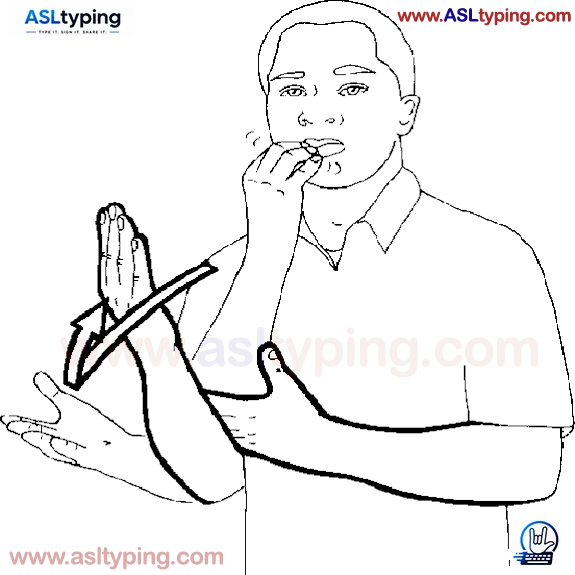
Helps learners connect a daily meal with time-of-day conversation and routines.
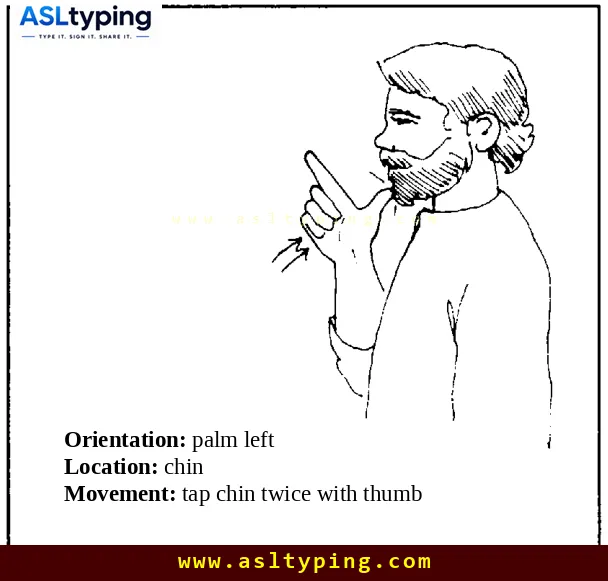
Useful for school, work, invitations, schedules, and asking or telling someone about midday plans.
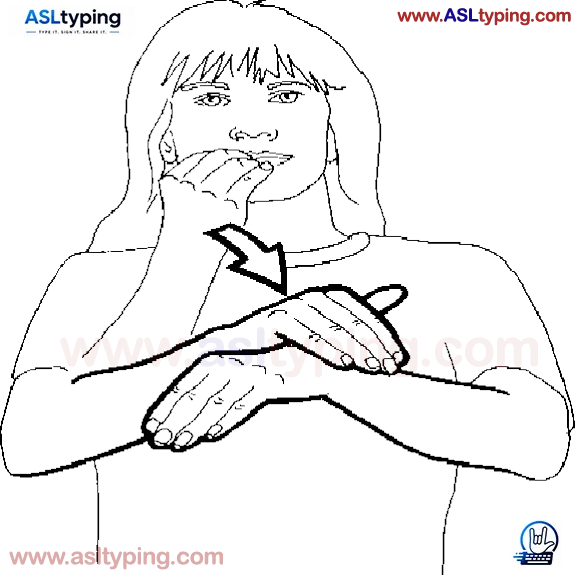
A practical evening-meal word for family plans, restaurants, invitations, and home routines.
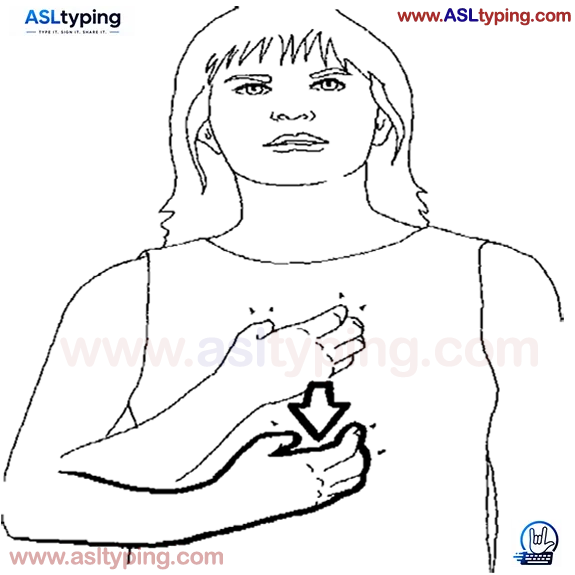
A feeling/state word that can quickly turn memorized vocabulary into meaningful communication.
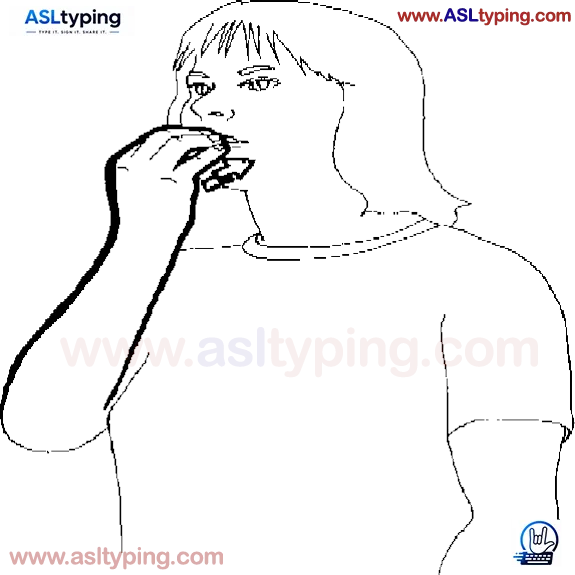
A broad everyday category word that connects naturally with meals, preferences, shopping, and eating.
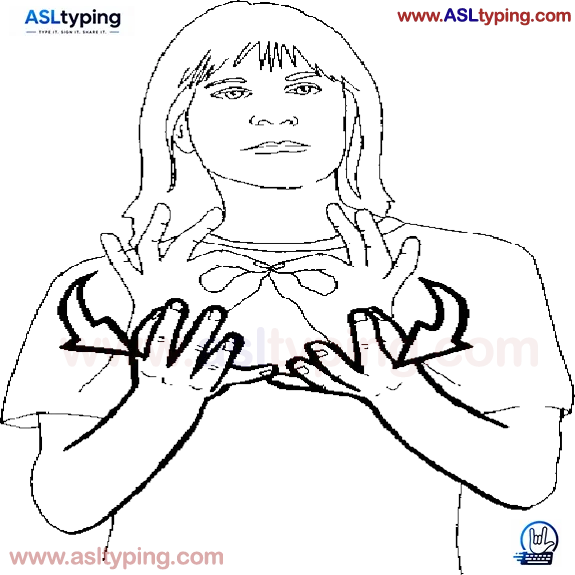
A core relationship word for introductions, stories, personal information, and everyday conversation.
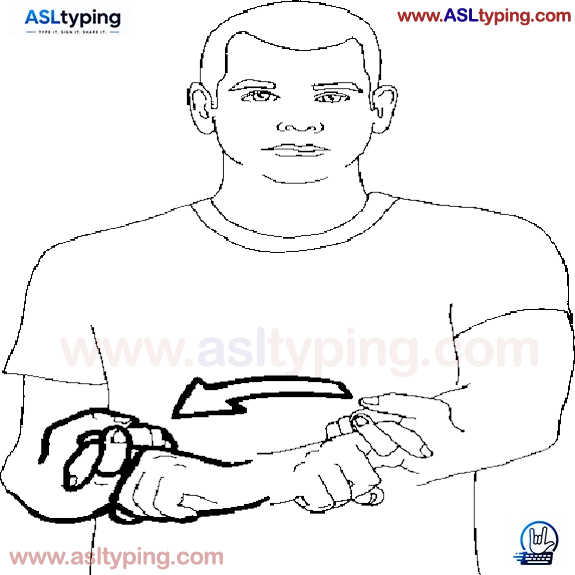
Useful when introducing people, describing relationships, making plans, or telling a story.
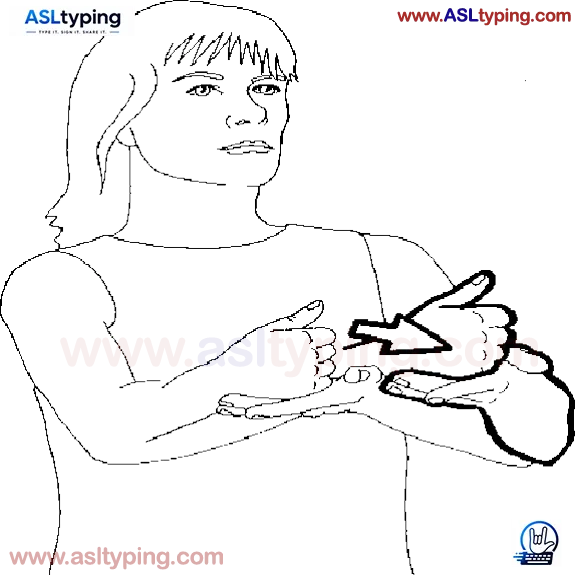
An especially practical word for requests, offering assistance, learning situations, and daily needs.
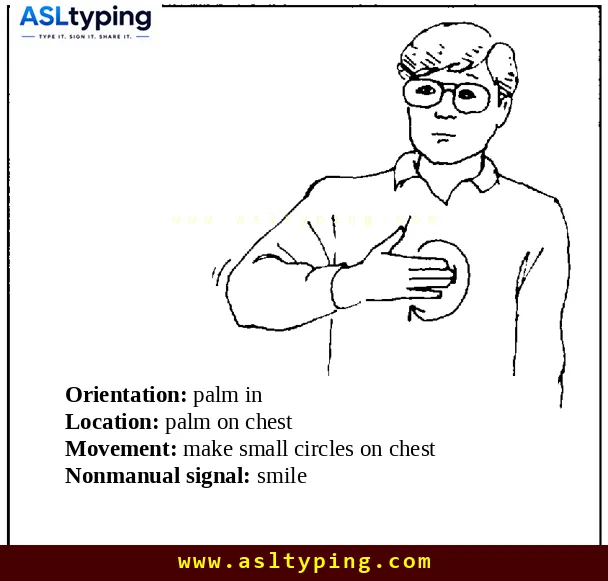
A useful politeness word for respectful requests and beginner communication practice.
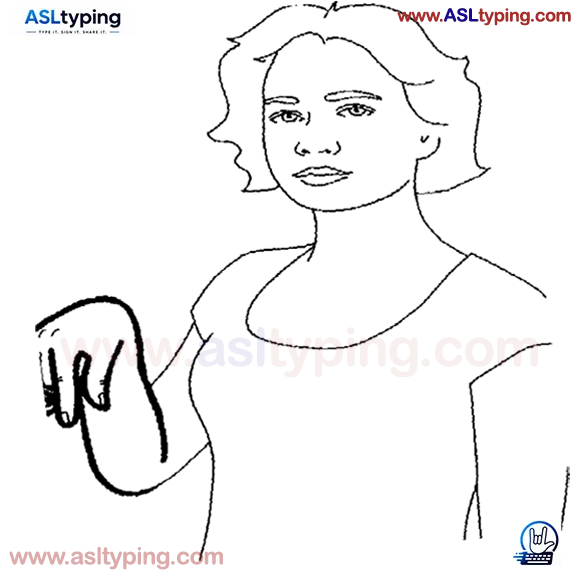
Helpful in classrooms, lessons, conversations, and moments when you need clarification.
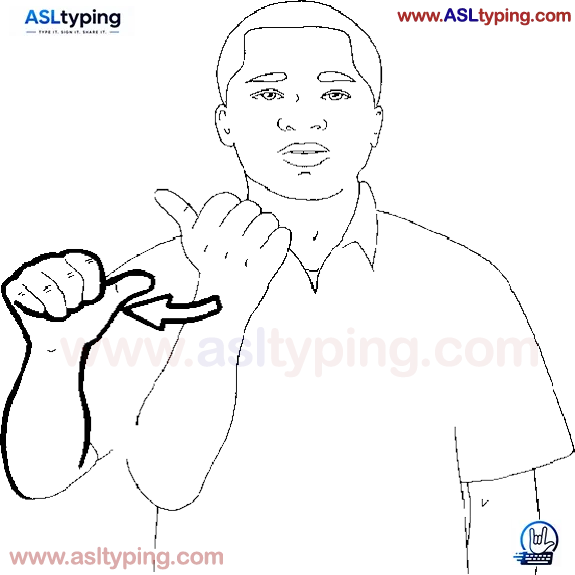
Pairs naturally with QUESTION and gives beginners an easy two-word concept set to practice.
Random memorization is harder than meaningful grouping. The same 20 signs become easier to remember when you connect them to a place, activity, or conversation. Here are three simple ways to organize your practice.
Practice HOME, CHILD, FAMILY, FRIEND and HELP together. Imagine arriving home, introducing a family member, talking about a friend, or asking someone for help. You are creating a mental scene rather than memorizing isolated labels.
Connect EAT, DRINK, WATER, MILK, COFFEE, BREAKFAST, LUNCH, DINNER, HUNGRY and FOOD. These words naturally belong to routines, so breakfast or dinner time can become a short daily review session.
Use TODAY, GOOD, PLEASE, QUESTION and ANSWER as conversation-building concepts. They help you move beyond naming objects and begin thinking about requests, reactions, information, and time.
One common beginner mistake is to look at an English sentence and replace every English word with a sign in exactly the same order. That may be useful as a vocabulary recall exercise, but it should not be confused with learning ASL grammar. Instead, use the vocabulary on this page to build concepts. Decide what you want to communicate, who or what you are talking about, and what visual information matters.
For example, suppose your practice idea is “Today I am eating breakfast at home.” You already know several useful concepts from this page: TODAY, EAT, BREAKFAST and HOME. Rather than assuming there is only one correct English-to-ASL word-for-word conversion, use those concepts as prompts while you study ASL sentence structure and watch how fluent signers organize information.
Short, repeated practice usually feels more manageable than one long memorization session. Try a four-step cycle. You can repeat the same cycle with different groups until the signs become familiar.
Study five images. Notice the hand position and the concept attached to each word. Do not rush.
Hide the word or image and try to remember it. Retrieval practice tells you what you actually know.
Put two or three concepts into one real-life situation: HOME + FAMILY, or HUNGRY + FOOD.
Use visual ASL instruction to check movement, orientation, facial expression, and natural usage that a still image cannot fully show.
Another useful technique is spaced review. Practice today, review tomorrow, then return after a few days. If one sign repeatedly causes trouble, give that sign extra attention rather than restarting the whole list. You can also keep a small “known / learning / needs review” list. Moving a word from one group to another gives you a clearer picture of progress than simply counting how many cards you have viewed.
The pictures on this page are deliberately simple because their job is visual vocabulary support. They can help with recognition and recall, especially when you return to the page for quick revision. However, ASL meaning is not carried by a frozen handshape alone. Movement can distinguish signs, palm orientation can matter, the location of a sign can matter, and non-manual information such as eyebrows or facial expression can contribute grammatical and emotional information.
This is also why you may occasionally encounter a sign that looks different from a version you have seen elsewhere. Language varies. Signers may use regional, generational, contextual, or community variants. The ASL Picture Dictionary can help you explore more vocabulary and, where the underlying dictionary contains multiple entries, compare available entries rather than assuming one image represents every possible form.
Once the 20 signs feel familiar, change the type of practice. Looking up vocabulary, fingerspelling, playing a recognition game, and working with gloss all exercise different skills. You do not need to use every tool at once; choose the one that matches what you are learning today.
This page is one part of a smaller, easier-to-use learning series. Each page has its own purpose, so you can move forward without opening a page containing hundreds of images.
If you use the ASLTyping games, the live scoreboard can make review feel more active. Try a short practice session after studying the vocabulary, then come back later and see whether recognition feels faster and more confident.
No. They are a deliberately small starting set of useful everyday concepts. ASL includes a much larger vocabulary, its own grammatical patterns, non-manual signals, spatial use, movement, and cultural context. Use this list as a manageable practice step.
A picture can support recognition, but it may not fully communicate movement, direction, orientation, rhythm, or facial information. Pair picture study with visual demonstrations and real signing whenever possible.
Context gives vocabulary a reason to exist. HOME, FAMILY and FRIEND form one meaningful cluster; BREAKFAST, LUNCH and DINNER form another. Grouping makes it easier to create situations and retrieve words from memory.
Do not assume that replacing every English word with a sign in the same order produces natural ASL. Use these cards for vocabulary practice, then study ASL grammar and sentence structure separately.
Sign variation can occur. Compare reliable visual resources, pay attention to the community and context in which a variant is used, and learn from skilled signers and Deaf-community resources.
Keep the list small enough to remember and make the practice meaningful. When these everyday concepts become comfortable, continue to the next 20-sign lesson or explore the full picture dictionary.
Next: 20 Easy ASL Signs →